Burrowing Owls Lineart Design Review
A First Look at Burrowing Owls Lineart Design
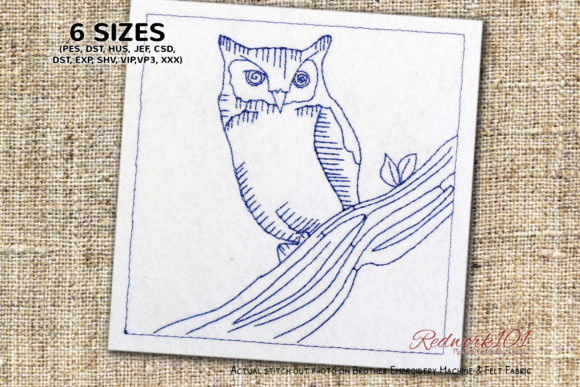
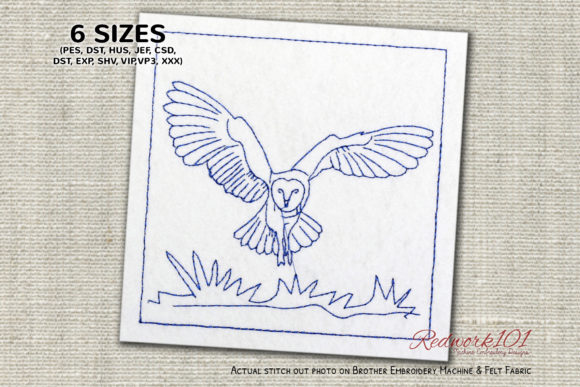
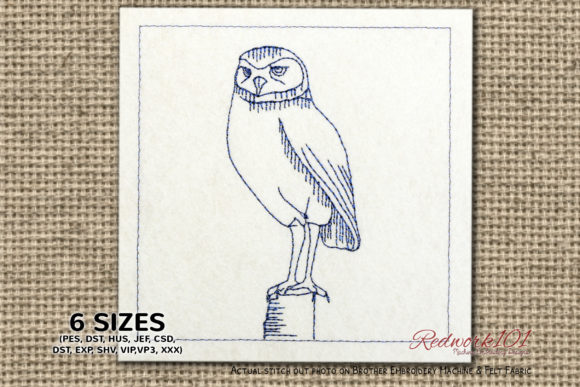
At first glance, the Burrowing Owls Lineart Design has a quiet charm that immediately draws you in. The clean lines and subtle detail suggest a design that's meant to be both expressive and versatile. It feels like a piece that could sit comfortably on a tote bag or a baby onesie without overwhelming the fabric or the viewer.
The theme of burrowing owls brings a sense of whimsy and nature into play, making it a great fit for projects that aim to evoke a gentle, earthy vibe. The layout is balanced, with enough space between elements to allow for breathing room on different fabric types and hoop sizes. This makes it an appealing option for both personal use and small business embroidery work.
How Burrowing Owls Lineart Design Performs in Real Projects
When considering how this design might translate to real-life embroidery projects, I imagine using it on a custom embroidered tote bag. The lineart style would stand out beautifully against a light-colored fabric, allowing the owl’s features to remain clear and defined. For a more textured fabric, such as canvas or denim, the simplicity of the design ensures it won’t get lost in the weave.
This design also shows promise for sweatshirts, caps, and patches. Its minimalistic approach works well on smaller items where too much detail can become distracting. If used on a pillow cover or kitchen towel, the softness of the lineart could add a touch of elegance without overpowering the home decor setting.
For handmade products aimed at niche markets, like eco-friendly or nature-themed items, this design could serve as a perfect branding element. Etsy sellers and craft fair vendors may find it particularly useful for creating personalized gifts or nursery decor with a unique twist.
Where to Use Burrowing Owls Lineart Design with Caution
While this design is adaptable, there are a few scenarios where extra care should be taken. When working with small hoop sizes, it's important to ensure that the entire design fits comfortably without stretching or distorting the image. On textured fabrics or thin materials, the lineart might not show up as clearly unless paired with the right stabilizer and thread colors.
If you're planning to embroider this on dark fabrics, testing the design in black and white mockups is essential. A lack of contrast could cause the owls to fade into the background. Additionally, for curved surfaces like caps or hats, the design’s shape needs to be reviewed carefully to avoid awkward placement or misalignment.
Projects that require frequent washing, such as aprons or children's clothing, should be tested with proper stabilizers and durable threads to maintain the integrity of the embroidery over time.
Design Impact and Practical Considerations
The Burrowing Owls Lineart Design has the potential to elevate the visual appeal of any project it's placed on. Its clean aesthetic supports a professional look while maintaining a handmade feel, which is crucial for craft businesses aiming to build customer trust and brand consistency.
As a digital embroidery file, it offers flexibility for printable mockups and design assets that can be used across various platforms. Whether you're preparing custom apparel for a boutique or creating holiday gifts for your customers, this design can help establish a recognizable and memorable brand identity.
However, before using it in any commercial context, always confirm the licensing terms and ensure that you're allowed to sell finished products or digital versions of the design. For Etsy sellers and small shop owners, this step is vital to avoid legal issues down the road.
Embroidery Designer Notes and Tips
Before committing to a full project, take the time to test the Burrowing Owls Lineart Design on scrap fabric. Check the stitch density and make sure the thread colors provide enough contrast for the intended fabric. Review the hoop size required and consider whether the design will work well with satin stitch, fill stitch, or running stitch techniques.
Inspecting small details and ensuring clarity in lineart is especially important when working with tiny lettering or dense stitch areas. Using a proper stabilizer can prevent puckering and distortion, especially on stretchy or thin fabrics.
Finally, compare the design on both light and dark backgrounds to see how it performs visually. This step will help you determine if it’s suitable for all your intended uses, from personal projects to commercial embroidery applications.