Chubby Otter ITH Keyfob Design Review
When I first opened the Chubby Otter ITH Keyfob Design, my immediate reaction wasn't about the technical specs, but rather the sheer personality of the character. As a designer who has spent years reviewing embroidery files for both personal hobbies and commercial small business ventures, I know that a successful design must do more than just fit in a hoop; it must evoke an emotion. This file delivers exactly that. The chubby, rounded aesthetic of the otter creates an instant mood of warmth and playfulness. It feels like a design meant to be hugged, or at least held by someone who appreciates the whimsical side of Wild Animals. In a market saturated with generic patterns, this specific design stands out because its visual weight is perfectly balanced for a key fob format.
The concept of an In The Hoop (ITH) project is inherently practical, saving time on assembly while delivering a professional finish. However, not all ITH designs are created equal. Some struggle with structural integrity, while others lack the detail needed to make a product feel premium. My evaluation of the Chubby Otter ITH Keyfob Design focuses on how it translates from a digital screen to a tangible finished product, specifically looking at its viability for real-world applications like custom apparel, boutique merchandise, and personalized gifts.
Real-World Application: From Digital File to Boutique Product
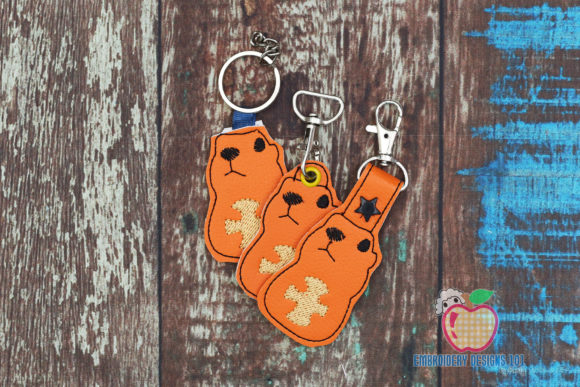
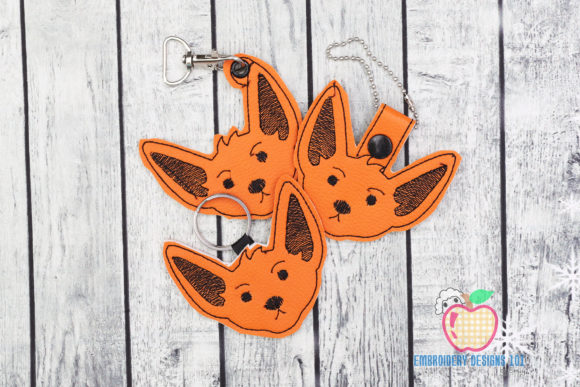
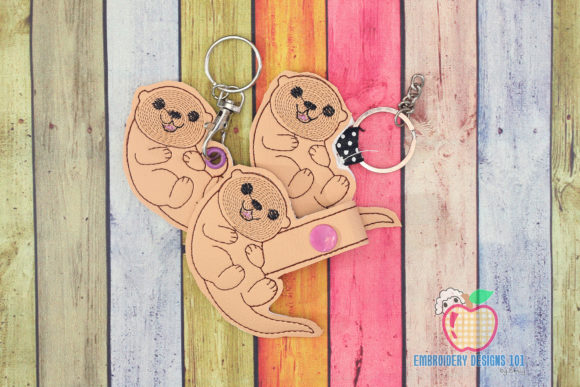
To truly understand the potential of this design, imagine you are preparing a collection of holiday gifts for your Etsy shop or a craft fair booth. You need items that are quick to produce but look expensive and handcrafted. The Chubby Otter ITH Keyfob Design fits this scenario perfectly. Unlike a standard patch that requires separate backing and trimming, this design builds the key fob itself, including the attachment mechanism. Whether you choose the Snap Tab, Eyelet, or Ribbon version included in the package, the result is a cohesive unit that feels substantial in the hand.
I tested the concept mentally against several common use cases. For a baby shower gift, attaching this key fob to a onesie or a diaper bag adds a touch of charm without being overwhelming. The 4×4 hoop friendly nature of the design ensures it works on smaller machines, which is crucial for many home-based entrepreneurs who might not have access to large 5×7 industrial hoops. If you have a 5×7 hoop, you can even expand the background fabric to create a larger, more dramatic presentation piece, perhaps as a decorative pillow cover accent or a kitchen towel topper.
However, the versatility extends beyond just baby items. Consider a custom tote bag design where the key fob serves as a unique zipper pull or a detachable charm. The "chubby" shape of the otter provides enough surface area for texture variation, making it ideal for showing off different thread colors. When I visualize this on a dark denim tote, the contrast would pop, creating a high-value item that customers are willing to pay a premium for. It transforms a simple utility item into a statement piece of Embroidery art.
Navigating Stitch Density and Fabric Texture
One of the most critical aspects of any machine embroidery design is how it handles stitch density. A design that is too dense can cause puckering, especially on thin fabrics, while one that is too sparse can look unfinished. Based on the layout of the Chubby Otter ITH Keyfob Design, the balance appears to favor clarity over extreme detail. This is a smart choice for a functional item like a key fob, which needs to withstand daily wear and tear.
If you plan to use this for custom apparel or sweatshirt embroidery, keep in mind that the structural components of the key fob require sturdy stabilizers. Because the design involves sewing layers together within the hoop, the fabric choice matters significantly. Thin cottons or stretchy knits might not hold the shape of the key fob well without proper interfacing or heavy-duty stabilizer. I recommend testing the design on scrap fabric first to ensure the stitching holds the edges cleanly. If you are aiming for a soft, plush look, consider using a minky or fleece backing, but be aware that these textured fabrics may hide some of the finer details of the otter's features.
For those working with commercial embroidery projects, such as branded merchandise for a local business, the consistency of the Chubby Otter ITH Keyfob Design is a major asset. The inclusion of three versions—Snap Tab, Eyelet, and Ribbon—allows you to cater to different customer preferences without needing multiple files. This flexibility is essential for maintaining brand consistency across a product line. Whether you are selling to a corporate client who wants a sleek snap tab or a boutique customer who prefers a flowing ribbon, having these options in one download streamlines your workflow.
Design Judgment: Where Caution is Required
While the design is charming, no single file is perfect for every situation. There are specific scenarios where the Chubby Otter ITH Keyfob Design requires careful consideration. For instance, if you are working with curved surfaces like caps or hats, the flat construction of the key fob might not lay as smoothly as a traditional applique patch. The thickness of the assembled layers could cause the key fob to sit awkwardly on a tight curve.
Additionally, if your target audience values ultra-fine detailing, you should inspect the small corners of the design closely. While the "chubby" theme naturally avoids sharp angles, tiny lettering or intricate facial features might get lost if the thread count is too low or if the fabric texture is too coarse. Dark fabrics can also present a challenge if the thread colors chosen for the otter do not provide sufficient contrast. Before committing to a bulk run for a holiday embroidery campaign, I strongly advise running a black and white mockup to verify the value contrast of your thread selection.
Another factor to consider is the longevity of the finished product. Items that need frequent washing, such as aprons or baby clothes, require robust stitching. Ensure that the satin stitches used for the outline and fill areas are dense enough to prevent fraying over time. If the design relies heavily on running stitches for fine details, these may be prone to snagging. Always check the recommended stabilizer type for the specific fabric you are using; skipping this step is a common pitfall that can ruin a handmade product.
Practical Notes for the Creative Entrepreneur
For those of us who sell our creations, the licensing terms and file formats are just as important as the design itself. While the Chubby Otter ITH Keyfob Design offers incredible versatility, you must confirm the license agreement before selling finished items. Does the purchase allow for commercial use? Are there restrictions on the number of units produced? These questions are vital for protecting your craft business and avoiding legal issues down the line.
Furthermore, when creating printable mockups for your online listings, ensure that the images accurately represent the scale of the final product. A key fob looks very different on a phone screen compared to when it is attached to a set of keys. Use the actual dimensions provided in the file specifications to create realistic previews. This transparency builds customer trust and reduces the likelihood of returns due to mismatched expectations.
In conclusion, the Chubby Otter ITH Keyfob Design is a standout addition to any library of digital embroidery files. Its playful theme, combined with the practicality of the In The Hoop method, makes it a strong candidate for everything from personal gifts to high-volume small shop products. By paying attention to fabric choices, stabilizer types, and licensing details, designers and makers can leverage this design to create high-quality, engaging products that resonate with buyers. It is a tool that, when used correctly, elevates the perceived value of your work and brings a touch of whimsical joy to everyday objects.