Composting Red Worm Lineart: A Designer's Review for Craft Fairs
As an experienced embroidery designer preparing for a busy weekend at the local craft fair, I am constantly evaluating new machine embroidery design files to ensure my booth stands out from the crowd. Today, I am putting Composting Red Worm Lineart under the microscope. This file falls squarely into the Bugs category and is perfect for the Embroidery niche. My goal is to determine if this specific line art will translate well into high-selling handmade products or if it lacks the punch needed for a physical display.
First Impressions: The Vibe of Composting Red Worm Lineart
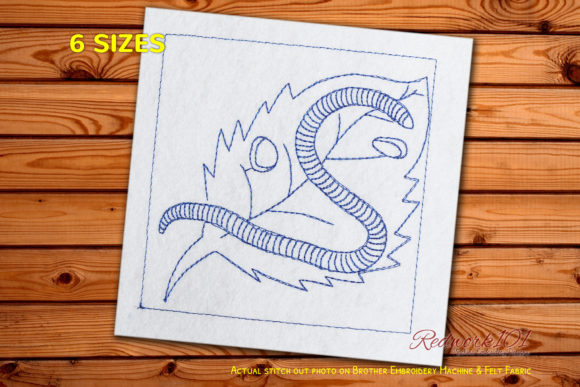
When you first look at Composting Red Worm Lineart, the immediate feeling is one of rustic charm and eco-conscious humor. It is not overly cute or cartoonish; instead, it leans towards a modern farmhouse aesthetic with a touch of botanical elegance. The line art style suggests that once stitched, it could be incredibly versatile depending on the thread colors chosen. It feels like a design that belongs in a garden shed, a cozy kitchen, or on a tote bag for someone who loves sustainable living.
The description notes that the box stitch is optional and that the outer box color can vary. This flexibility is a huge plus for a boutique maker. It means I can adapt Composting Red Worm Lineart to match different brand palettes without altering the core design. Whether I want a bold, colorful statement or a subtle, monochromatic look, this file provides the foundation for a premium handmade product.
Product Potential: Where Will It Shine?
At a craft fair, visual impact is everything. I have mapped out where Composting Red Worm Lineart would perform best across various inventory items.
- Tote Bags: This is the crown jewel for this design. A large, centered placement on a canvas tote makes Composting Red Worm Lineart a focal point. It appeals directly to the eco-friendly shopper who wants to carry their groceries in style. As a tote bag design, it screams "green living."
- Apron Embroidery: Imagine a linen apron with this worm stitched near the pocket. It adds a playful yet sophisticated element to the kitchen. For an apron embroidery project, the line art style ensures it doesn't look too heavy or overwhelming against the fabric.
- Tea Towel Embroidery: A small version of Composting Red Worm Lineart on a tea towel creates a delightful surprise. It is a great kitchen towel embroidery piece that customers often impulse buy because it fits perfectly on a counter or hangs beautifully in a display rack.
- Embroidered Patches: Because the design is primarily line art, it translates exceptionally well as an embroidered patch. The clean lines allow for easy backing application, making them perfect for adding to denim jackets, beanies, or backpacks.
- Fabric Pouches and Pillow Covers: For smaller items like zipper pouches or decorative pillow covers, this design offers a nice balance. It is detailed enough to hold attention but simple enough to not get lost in the texture of the fabric.
Production Realities and Selling Points
For an Etsy seller or a small shop product owner, efficiency is key. Composting Red Worm Lineart appears to be highly repeatable for batch production. The clean lines suggest that it should digitize well with consistent stitch density, which is crucial for maintaining quality when producing multiple units quickly.
Photography for online listings will also benefit greatly from this file. Line art designs tend to photograph cleanly, allowing the texture of the thread and the weave of the fabric to shine through. When creating a printable mockup or a digital listing, the contrast between the stitches and the background fabric will likely result in sharp, professional-looking images that drive sales.
However, we must consider the nuances of the design. The note about the optional box stitch is critical. If the box is intended to frame the worm, skipping it might leave the design looking unfinished on certain backgrounds. Conversely, including it adds structure. I advise checking the specific instructions for the digital embroidery file to ensure the box aligns correctly with the hoop size before starting production.
Careful-Use Notes: What to Watch Out For
Even the best commercial embroidery designs require careful handling. While Composting Red Worm Lineart looks promising, there are potential pitfalls to avoid.
- Stitch Density: If the line work is too dense, it may cause puckering on lighter fabrics. Always test the stitch density on scrap material to ensure the fabric lies flat after stitching.
- Small Details: Be cautious if attempting to scale this down too much. Tiny details in line art can sometimes disappear or merge together if the design is too small for the chosen hoop size.
- Thread Colors: Since this is line art, the choice of thread is paramount. On dark fabric, a standard black thread might blend in too much. Consider using a contrasting metallic or bright thread to make the worm pop.
- Fabric Texture: Highly textured towels or thick denim might obscure the fine lines of the design. Smooth cottons or linens usually provide the best canvas for this type of artwork.
- Curved Surfaces: Applying this to a cap requires precision. Curved cap surfaces can distort straight lines, so ensure the stabilizer is robust enough to support the design during the stitching process.
Designer's Checklist for Success
Before turning Composting Red Worm Lineart into finished goods for your booth, follow these essential steps to guarantee a professional result.
First, always test the design on scrap fabric that matches your final product. Check the thread colors to ensure they offer the right level of contrast against the fabric. Review the spacing within the design to make sure no elements are too close together, which could lead to tangling.
Confirm the recommended hoop size for the design. Using the wrong hoop can lead to misalignment or incomplete stitching. Inspect the stitch density closely; if it looks too heavy, consider reducing the density in the digitizing software if you have access to it, or simply choose a lighter weight fabric.
Don't forget to use the right stabilizer. For items like tote bags and aprons, a cut-away stabilizer is often necessary to prevent the fabric from stretching or warping over time. Create at least one real mockup of your best product idea to see how it feels in person. Compare different fabric colors to find the one that maximizes the visual appeal of the worm.
Finally, confirm the commercial licensing terms of the embroidery file before selling any finished products. Understanding your rights allows you to market your craft fair product with confidence.
Final Verdict
Composting Red Worm Lineart has all the makings of a standout item for a handmade market. Its rustic yet modern vibe fits perfectly with current trends in sustainable fashion and home decor. By carefully selecting the right products—like totes, aprons, and patches—and paying attention to production details like stabilizers and thread choices, this design can elevate your booth's visual appeal and drive customer engagement.
Whether you are a seasoned creative entrepreneur or just starting your journey as an Etsy seller, investing time in mastering this design will pay off. It is a versatile asset that promises to add value to your brand and delight customers looking for unique, handcrafted gifts. Get your hoops ready and let the worms bring some life to your next collection.