Heart Template Review for Real Embroidery Projects
As an experienced embroidery designer who frequently navigates the digital marketplace for high-quality design assets, I recently took a close look at the Heart Template from Creative Fabrica. In my line of work, every file download is a potential investment of time and materials. When considering a product for real-world application—whether for a custom order or a new Etsy listing—the stakes are higher than just looking pretty on a screen. This review focuses on how the Heart Template performs when moved from a digital preview to a physical piece of fabric.
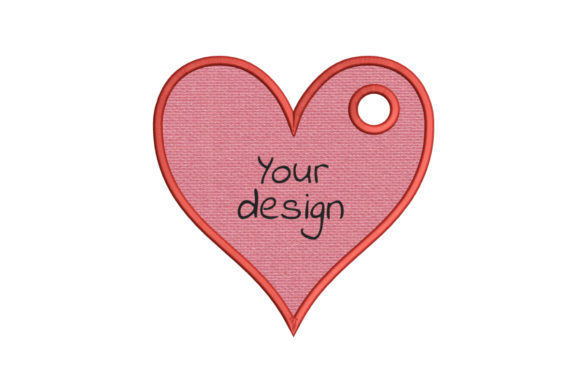
The initial visual impression of the Heart Template is one of versatility. The description notes that it serves as a template to create a Valentine s Day souvenir, allowing any beautiful embroidery to be stitched inside the heart shape. From a professional standpoint, this "container" approach is often more valuable than a fixed, dense fill design. It suggests a layered aesthetic where the outline provides structure while leaving room for creative expression within the borders. For designers selling handmade products, this flexibility is crucial because it allows for customization without needing to purchase ten different files for ten different colorways.
Visual Appeal and Design Personality
When evaluating the Heart Template, the first thing I consider is the mood it sets. Does it feel stiff and rigid, or does it have a fluid, organic quality? A template of this nature needs to balance being decorative enough to stand alone while remaining open enough to accommodate various interior designs. The concept of using machine embroidery design elements inside the heart outline creates a unique focal point. It transforms a simple shape into a canvas for personalization.
This design personality fits naturally into seasonal collections. While the product category is listed under Valentine S Day, the clean lines of a heart template extend well beyond February 14th. It can anchor a collection of spring gifts, anniversary pieces, or even year-round romantic decor. The decorative appeal lies in its ability to frame other stitches, whether they are delicate floral motifs, bold lettering, or intricate geometric patterns. It acts as a frame for your creativity rather than a finished product itself.
Real-World Application in Custom Apparel and Goods
I often test potential files against a list of common commercial projects before committing to a full production run. The Heart Template shows promise across a wide array of items. For small business owners and crafters, the ability to use this design on tote bags, sweatshirts, aprons, and baby blankets makes it a versatile asset.
- Apparel Decor: On a sweatshirt or a hoodie, the heart outline provides a classic placement option. The open center allows you to stitch a child's name, a special date, or a monogram, turning a standard garment into a personalized gift.
- Home Textiles: Kitchen towels and pillow covers benefit greatly from this style. The heart acts as a border element that frames a central message or pattern, adding a touch of boutique flair to functional items.
- Accessories: For those creating embroidered patches or designing cap decorations, the clear outline of the Heart Template offers a defined edge that cuts cleanly. It works particularly well on curved surfaces like caps, provided the hoop size is manageable.
The potential for this design extends to printable mockups as well. Digital product sellers can use the embroidery file details to create realistic previews for their online shops. By understanding how the Heart Template looks on different fabrics, you can generate high-quality images that help customers visualize the finished product before purchasing.
Practical Considerations for Stitching
While the concept is sound, the execution depends heavily on technical factors. As a reviewer, I must address the practicalities of stitching density, thread colors, and stabilizer choices. When working with a template design, the density of the satin stitch outlining the heart is critical. If the stitch count is too high, the fabric may pucker, especially on stretchy materials like jersey knits used for t-shirts and baby onesies.
For textured fabrics or dark backgrounds, thread color contrast becomes a major factor. A light-colored outline might get lost on a navy blue tote bag, whereas a contrasting metallic thread could elevate the design significantly. Before running a large batch, it is essential to test on scrap fabric to ensure the thread colors pop as intended.
Hoop size limitations also play a role. If the Heart Template includes fine details or tiny lettering inside the shape, the user must confirm that their machine can handle the required area. Small hoops often struggle with complex digitizing, leading to registration issues where the inner design does not align perfectly with the outer heart. Always check the file details and licensing on the Creative Fabrica product page to ensure the design matches your machine's capabilities.
Stabilizer and Fabric Selection
To achieve a professional finish, proper stabilization is non-negotiable. Whether you are embroidering on a sturdy canvas tote or a soft cotton baby blanket, the choice of stabilizer affects the final drape and durability. For washable items like kitchen towels and aprons, using a cut-away stabilizer ensures the design holds up after multiple laundry cycles. However, for items that need to remain soft, like a baby blanket, a tear-away or water-soluble option might be preferable depending on the specific fabric weight.
Inspecting small details after stitching is another vital step. Dense stitch areas can sometimes trap lint or cause the needle to break if not managed correctly. If the design features layered details, ensuring that the layers sit flat against the fabric is key to maintaining brand consistency. A poorly executed stitch can ruin the perceived value of a handmade product, so taking the time to adjust tension and speed during the test run is always worth the effort.
Impact on Product Value and Brand Trust
In the world of handmade goods and commercial embroidery, presentation is everything. A well-executed Heart Template can significantly enhance buyer trust and engagement. Customers buying personalized gifts are looking for quality and attention to detail. When the embroidery is crisp, the threads are secure, and the design sits perfectly centered, it signals professionalism.
This level of care translates directly to product photography. A high-quality embroidery file results in a finished product that photographs beautifully, which is essential for Etsy listings and social media marketing. The visual appeal of a neatly stitched heart frame draws the eye and encourages clicks. Furthermore, consistent use of such design assets helps build a cohesive brand identity. Whether you are selling seasonal souvenirs or year-round decor, having a reliable library of design assets ensures that your output remains uniform and high-quality.
Final Thoughts on Commercial Use
Before downloading and using the Heart Template for commercial purposes, remember to verify the license terms. Understanding what you are allowed to do with the digital embroidery file is crucial for protecting your business. If the file includes specific instructions regarding resale limits or attribution, follow them strictly.
Ultimately, the Heart Template offers a solid foundation for a variety of creative projects. Its strength lies in its adaptability, allowing designers to inject their own style into the core of the design. By testing the stitch density, selecting the right thread colors, and using appropriate stabilizers, you can transform this simple template into a standout piece of art. For anyone looking to expand their catalog of Valentine s Day souvenirs or general decorative items, this design warrants a serious consideration. Just remember: the best results come from careful preparation and a willingness to test before you commit to mass production.