Shoe House Lineart Design Review for Boutique Apparel
As an experienced embroidery designer who has spent years refining the look of boutique collections, I am always on the hunt for designs that strike the perfect balance between whimsy and wearability. When browsing through Creative Fabrica embroidery options for a new seasonal collection, I recently stumbled upon the Shoe House Lineart Design. It immediately caught my eye not just for its unique concept, but for how versatile it could be across various garment types. This review breaks down my professional assessment of this design, specifically focusing on its potential for sweatshirt projects, hoodie collections, and custom apparel lines.
First Impressions: Visual Personality and Mood
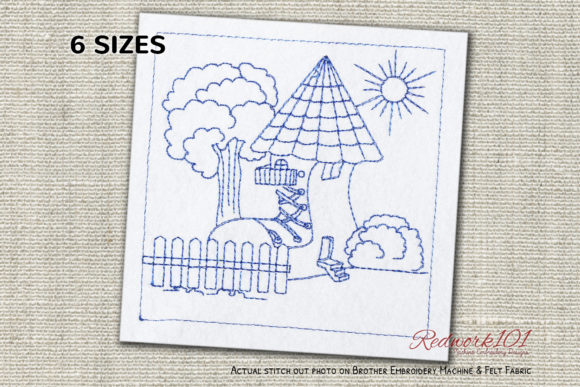
The moment you load the file into your digitizing software, the Shoe House Lineart Design presents a distinct visual personality. It feels playful yet structured, offering a blend of cute and trendy aesthetics that fits perfectly within the "Fairy Tales" category while maintaining a modern edge. The lineart style suggests a clean, graphic look that relies on strong outlines rather than heavy fill stitches, which is a huge plus for high-volume production.
In terms of stitching mood, this design feels light and airy. It avoids the heaviness often associated with dense embroidery on casual wear. Whether you are aiming for a rustic, bohemian vibe or a sleek, urban streetwear look, the simplicity of the lineart allows it to adapt easily. It possesses a decorative strength that elevates a plain garment without overwhelming it. For a small clothing brand looking to establish a recognizable identity, this design offers the kind of premium feel that encourages customer trust and repeat purchases.
Applying Shoe House Lineart Design to Sweatshirts and Hoodies
My primary focus was imagining this design on a small sweatshirt or hoodie collection for an online shop. The versatility here is remarkable. On neutral-colored sweatshirts, such as heather grey or oatmeal, the lineart would pop beautifully, creating a subtle yet sophisticated statement piece. I envision this design in pastel hoodies, where the soft colors would enhance the whimsical nature of the shoe house motif, making it ideal for cozy seasonal outfits.
For dark apparel, the contrast provided by white or metallic threads would make the Shoe House Lineart Design stand out sharply. The clean lines work exceptionally well on oversized garments, where there is ample space to let the design breathe without feeling cramped. I also see great potential for sleeve accents; placing a smaller version of the design on the cuff or upper arm adds a unique detail that customers love to discover.
Beyond standard hoodies, this design translates well to t-shirt embroidery and denim jackets. The graphic nature of the lineart complements the rugged texture of denim, adding a touch of femininity or playfulness to a classic item. For tote bag designs, the sturdy lines ensure the image remains crisp even after multiple washes, making it a fantastic choice for lifestyle product photos and printable mockups used in Etsy listings.
Strategic Placement for Maximum Impact
When planning a collection, placement is everything. While the back design area offers a large canvas for the full Shoe House Lineart Design, chest placement requires careful consideration. A centered chest logo creates a classic, branded look that works for almost any boutique brand. However, if you choose a small chest placement, ensure the scale is appropriate so the details remain visible.
This design is also excellent for commercial embroidery products like aprons or beanies. Its ability to serve as a standalone graphic means it can be part of a cohesive series of items. For digital sellers creating printable mockups, the clean lines of the design allow for easy color swapping to match different fabric textures, ensuring your social media graphics look professional and consistent.
Practical Considerations and Potential Pitfalls
While the aesthetic appeal is high, every professional designer knows that execution is key. There are specific areas where you must use caution when working with the Shoe House Lineart Design.
- Fabric Texture: Because this is a lineart design, it relies heavily on thread contrast. On highly textured fabrics like heavy fleece, the fine lines might get lost. Always test on scrap fabric first to ensure the stitch density captures the details clearly.
- Stretchy Fabrics: Embroidery on stretchy materials like ribbed cuffs or thin jersey requires a stable base. If the stabilizer is insufficient, the design may pucker, ruining the clean look of the lineart.
- Dense Stitch Areas: Although described as lineart, check the actual file for any dense fill areas. If present, these can create stiffness on delicate garments. Ensure the hoop size accommodates the design without cutting off essential elements.
- Curved Surfaces: Placing this on curved surfaces like the shoulder of a hoodie can distort the geometry. Flat areas like the chest or front pocket are generally safer bets.
- Dark Garments: Remember that the description notes the outer box color is optional and often different from the main design. You must verify the thread colors required for dark garments to ensure the background fills do not show through the lines.
Technical Notes for Production Success
Before moving to mass production, I strongly advise reviewing the specific technical details of the file. Confirm the stitch density and hoop size requirements directly from the Creative Fabrica product page. Since the description mentions that the box stitch is optional, you have the flexibility to simplify the design for faster turnaround times or more minimalist looks.
Check your stabilizer choice carefully. For sweatshirt embroidery, a cut-away stabilizer is usually best to prevent distortion over time. Test the thread color contrast against your specific fabric swatches; what looks good on a computer screen might behave differently on a cotton blend versus a polyester fleece.
Finally, inspect the license terms before selling finished products. Understanding the rules for commercial embroidery ensures your handmade product business remains compliant. Verify if the design allows for unlimited prints or if there are restrictions on the number of finished units.
Impact on Brand Identity and Customer Engagement
Using a well-executed design like the Shoe House Lineart Design does more than just decorate a shirt; it builds brand equity. High-quality embroidery signals attention to detail, which boosts buyer trust and product recognition. When customers see a crisp, professionally stitched design on a handmade product, they perceive higher value in the item.
This design fosters visual consistency across your catalog. Whether it appears on a tote bag, a hoodie, or a denim jacket, the recurring motif helps customers identify your small shop product line instantly. In the competitive world of Etsy sellers and creative entrepreneurs, having a signature style is crucial. The playful yet clean nature of this design invites engagement, encouraging customers to share their purchases on social media, effectively marketing your brand for you.
Final Thoughts for the Creative Entrepreneur
The Shoe House Lineart Design stands out as a versatile tool in the arsenal of any embroidery designer. Its ability to transition seamlessly from cozy winter wear to summer accessories makes it a smart investment for a diverse inventory. By paying close attention to fabric selection, stabilizer support, and thread choices, you can maximize the potential of this embroidery file.
Whether you are building a custom apparel line or creating unique gifts for your community, this design offers a charming narrative element that resonates with buyers. It is a testament to how thoughtful design choices can elevate simple garments into memorable fashion statements. As you plan your next collection, consider how the whimsical charm of the Shoe House Lineart Design can bring a fresh, creative energy to your boutique offerings.