Shinto Torii Bluework Review for Craft Fairs
As an experienced embroidery designer, I spend a lot of time evaluating digital files before they ever hit the hoop. When I first looked at Shinto Torii Bluework, I immediately thought about how it would perform in a busy weekend craft fair environment. The world of handmade markets is competitive, and a design needs to stop a passerby in their tracks. This piece feels elegant, serene, and deeply spiritual without being overly complex. It strikes a perfect balance between modern minimalism and traditional reverence, making it a versatile asset for any embroidery business owner looking to expand into religious or cultural themes.
First Impressions: A Design That Commands Respect
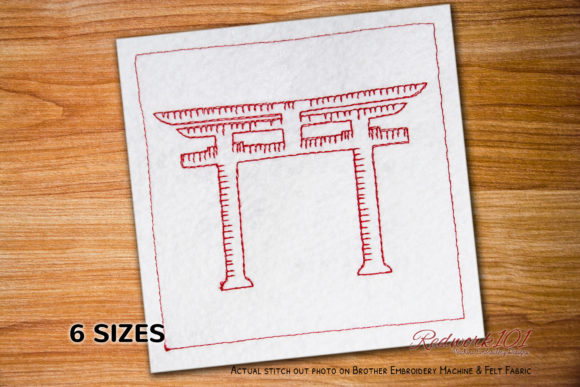
The moment you view the Shinto Torii Bluework file, the visual impact is clear. It is not a "cute" or "funny" design; it is premium and sophisticated. The name suggests a strong use of blue thread tones, which often conveys trust and calmness. In a booth filled with colorful knits and bright plastics, this design offers a moment of stillness. It feels like a focal point that belongs on high-quality items like linen aprons or heavy-duty canvas tote bags. The description mentions an optional box stitch, which adds a layer of customization. This flexibility is crucial for a crafter who wants to tailor the product to different fabric textures or customer preferences. Whether you are selling to a boutique maker or a direct-to-consumer Etsy seller, this design has the gravitas to justify a higher price point.
Product Potential: Where Shinto Torii Bluework Shines
When planning my display table for a local market, I visualize where this machine embroidery design will stand out most. The geometry of a Torii gate is naturally balanced, which makes it ideal for several key products.
- Tote Bag Design: This is perhaps the strongest candidate. A large, centered Shinto Torii Bluework on a natural canvas tote bag creates an instant statement piece. It works as a travel accessory for yoga enthusiasts or as a stylish grocery bag for those who appreciate spiritual aesthetics.
- Apron Embroidery: For kitchen-focused sellers, placing this on a chef's apron or a baker's smock adds a touch of ritual to daily tasks. The clean lines of the gate contrast beautifully with the soft folds of fabric.
- Tea Towel Embroidery: Linen tea towels are a staple at craft fairs. The design can be scaled down slightly to sit perfectly above the hemline. Customers love functional art, and this design elevates a simple kitchen towel into a giftable item.
- Embroidered Patch: If you have the right equipment, turning this into a sew-on patch allows for versatility. You can attach it to denim jackets, hats, or backpacks, expanding your handmade product line beyond just home goods.
- Pillow Covers and Market Bags: These items benefit from the structured nature of the design. It looks particularly striking on dark fabrics if you use high-contrast thread colors, though we must be careful about visibility.
Selling Strategy: Clarity and Batch Production
In a retail setting, clarity is king. Can a customer understand the design from three feet away? Yes. The Shinto Torii Bluework is bold enough to be recognized quickly but detailed enough to encourage a closer look. This is vital for online listings as well. When creating a printable mockup for your Etsy shop, ensure the lighting highlights the texture of the stitches. The design photographs exceptionally well because its symmetry draws the eye directly to the center.
For production efficiency, this design is repeatable. You can set up a batch run of ten tote bags and move through them smoothly. However, remember that the optional box stitch might require a color change or a specific sequence. If you are running a high-volume stall, confirm the stitch density beforehand to ensure the machine doesn't bog down. A smooth flow during production means you can keep up with demand while maintaining quality.
Critical Considerations and Careful Use Notes
While the design is beautiful, there are practical limitations every embroidery file user must respect. First, pay close attention to the thread colors. If you are using a dark fabric, the blue tones might get lost unless you select a lighter or metallic variant. Conversely, on very light fabrics, ensure the blue provides enough contrast to define the gate structure.
Dense stitch areas can sometimes cause puckering, especially on thinner materials like cotton muslin or sheer fabrics. Always test on scrap fabric first. If you are embroidering on a curved surface like a cap, verify that the hoop size accommodates the curvature without distorting the image. Small details in the pillars of the gate might blur if the resolution of the digitizing is too low, so inspect the final output carefully. Additionally, textured towels or thick fleece can hide the fine lines of the design, reducing its visual appeal. Stick to smoother fabrics for the best results.
The Designer's Checklist for Success
Before you commit to printing labels or packaging these items, follow these essential steps to ensure your commercial embroidery project is a success. Start by testing the Shinto Torii Bluework on your actual production fabric. Check the thread contrast under natural daylight, not just store lighting. Review the spacing to ensure the design fits within your intended hoop area without cutting off edges.
Use the correct stabilizer for your fabric type; a tear-away might be sufficient for stable cotton, but a cut-away is necessary for stretchy knits to prevent distortion over time. Create at least one real mockup of the finished product to see how it hangs or sits on a shelf. Compare different fabric colors to find the palette that maximizes the spiritual vibe of the design. Finally, confirm your commercial licensing terms. Even though this is a review of a design, ensuring you have the rights to sell the finished goods is non-negotiable for protecting your small shop product business.
Final Thoughts on Visual Appeal and Brand Consistency
Incorporating Shinto Torii Bluework into your collection does more than just add a new item; it signals a brand identity rooted in mindfulness and craftsmanship. It attracts customers who value meaning in their purchases. Whether you are a digital seller offering design assets or a physical maker selling finished products, this design bridges the gap between tradition and modern utility. It invites buyers to engage with your booth, ask questions, and connect with the story behind the needle and thread. By paying attention to the nuances of fabric choice and stitch quality, you can turn a simple digital file into a standout craft fair product that resonates long after the event ends.